Diabetic Care at Home in Al Ain: Monitoring & Daily Management

Updated: Aug 24
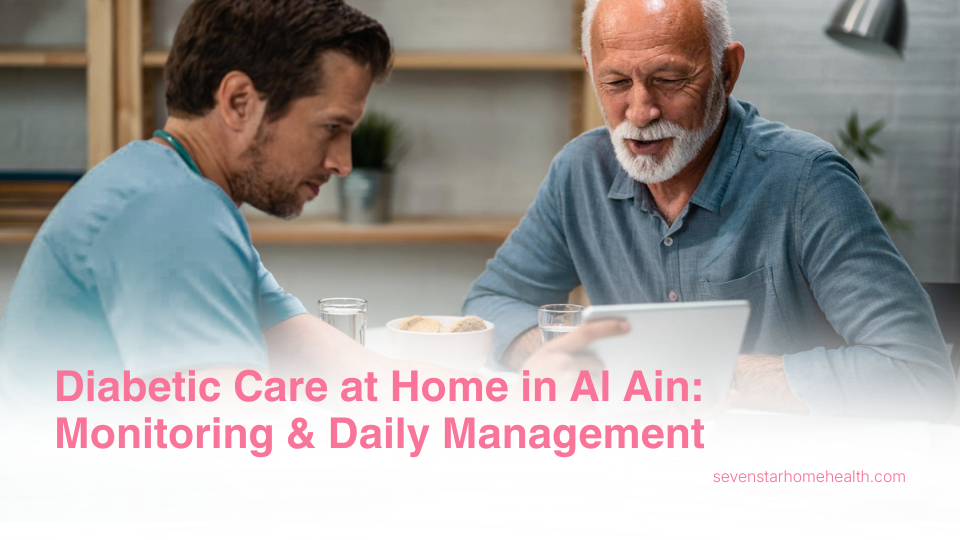
Diabetic care at home in Al Ain helps people manage their diabetes safely and consistently — with blood sugar monitoring, insulin and medication support, foot and wound care, and practical lifestyle guidance from a DoH-licensed nurse. Good day-to-day management is what prevents the serious complications of diabetes, and having professional support at home makes that far easier to sustain.
This guide explains what diabetic home nursing involves, how it helps prevent complications, and who benefits most.
Why home support helps with diabetes
Diabetes is managed day by day, not in occasional clinic visits. A home nurse helps keep blood sugar in a healthy range, ensures medication and insulin are taken correctly, spots early warning signs, and reinforces the habits that protect long-term health — all in the patient’s own home, on their own schedule.
What diabetic home nursing includes
Area of care | What the nurse provides |
Blood sugar monitoring | Regular checks and tracking of glucose, with HbA1c tests arranged as needed. |
Insulin & medication | Administering insulin, teaching self-injection, and managing medication schedules. |
Foot & skin care | Checking for the foot problems and slow-healing sores common in diabetes. |
Wound care | Careful management of diabetic wounds and ulcers to prevent infection. |
Diet & lifestyle guidance | Practical support with nutrition, activity and daily routine. |
Education | Helping patients and families understand and manage the condition confidently. |
Preventing diabetes complications
Poorly controlled diabetes can lead to serious problems, including nerve damage, foot ulcers, and slow-healing wounds. Regular monitoring, careful foot care and prompt attention to any wound are among the most effective ways to prevent these — which is exactly where consistent home nursing support makes a difference.
Seek urgent care for signs of very high or very low blood sugar (confusion, severe drowsiness, fainting), or for a diabetic foot wound that is spreading, discharging or not healing. In an emergency, call 998. |
Who benefits from diabetic home care?
Elderly patients who need help managing medication and monitoring.
People newly diagnosed who are learning to manage their condition.
Insulin-dependent patients who need support or teaching with injections.
Anyone with poorly controlled blood sugar or a diabetic wound.
Patients recovering at home after a diabetes-related hospital stay.
Insurance
Diabetes is a chronic condition, and medically necessary home nursing for its management may be covered by Thiqa or your insurance plan with prior approval. Our team can verify your coverage and arrange the paperwork.
Diabetic care is delivered through our skilled home nursing service, with home blood tests arranged as needed.
Ready to arrange care in Al Ain? Arrange diabetic care and monitoring at home in Al Ain. Call 03 766 9200 or enquire online. Our DoH-licensed team is available 24/7. |
Frequently asked questions
Can a home nurse give insulin injections?
Yes. A DoH-licensed nurse can administer insulin and also teach patients and families to inject safely and confidently themselves.
How often should blood sugar be monitored?
It depends on the type of diabetes and the treatment plan. Your doctor sets the target, and a home nurse helps you monitor consistently and record the results.
Why is diabetic foot care so important?
Diabetes can reduce sensation and slow healing in the feet, so small injuries can become serious. Regular checks and prompt care help prevent ulcers and infection.
Is diabetic home care covered by insurance?
Medically necessary nursing for chronic disease management may be covered by Thiqa or your plan with prior approval. We can check this for you.
Related services from 7 Star: Skilled home nursing · Elderly care at home · Doctor home visit |

Comments